 Vega Team
A white background explains the product; lifestyle shows how it looks in real life. For most brands the question isn't "which one" but "which one where". Here's the right shoot, channel by channel.
The question we hear most when planning product photos is: lifestyle or white background? The answer is usually "both, but in different places". A white background explains the product: its colour, shape and detail. Lifestyle shows how it looks in real life and how it feels to use. One informs, the other creates desire.
In this post we look at the difference between the two, which one works on which channel, what a model adds, and how to plan both efficiently in a single production.
White background vs lifestyle product photography
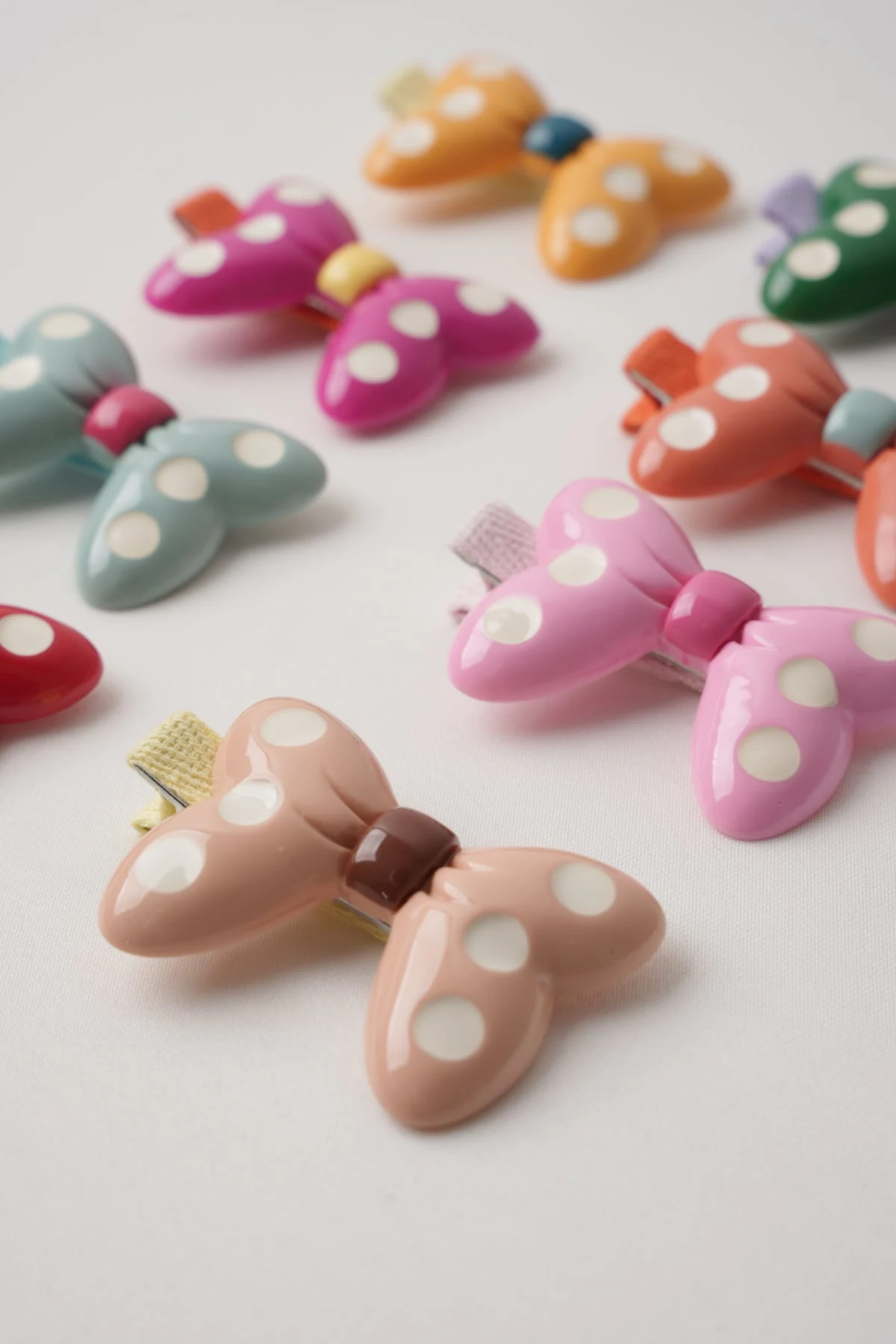
- White background product photography — the product is shot on a plain, pure white background under controlled light. The aim is to show it exactly as it is, without distraction.
- Lifestyle product photography — the product is shot in a real moment of use, on a styled set or on location. The aim is to tell its story and show your brand's character.
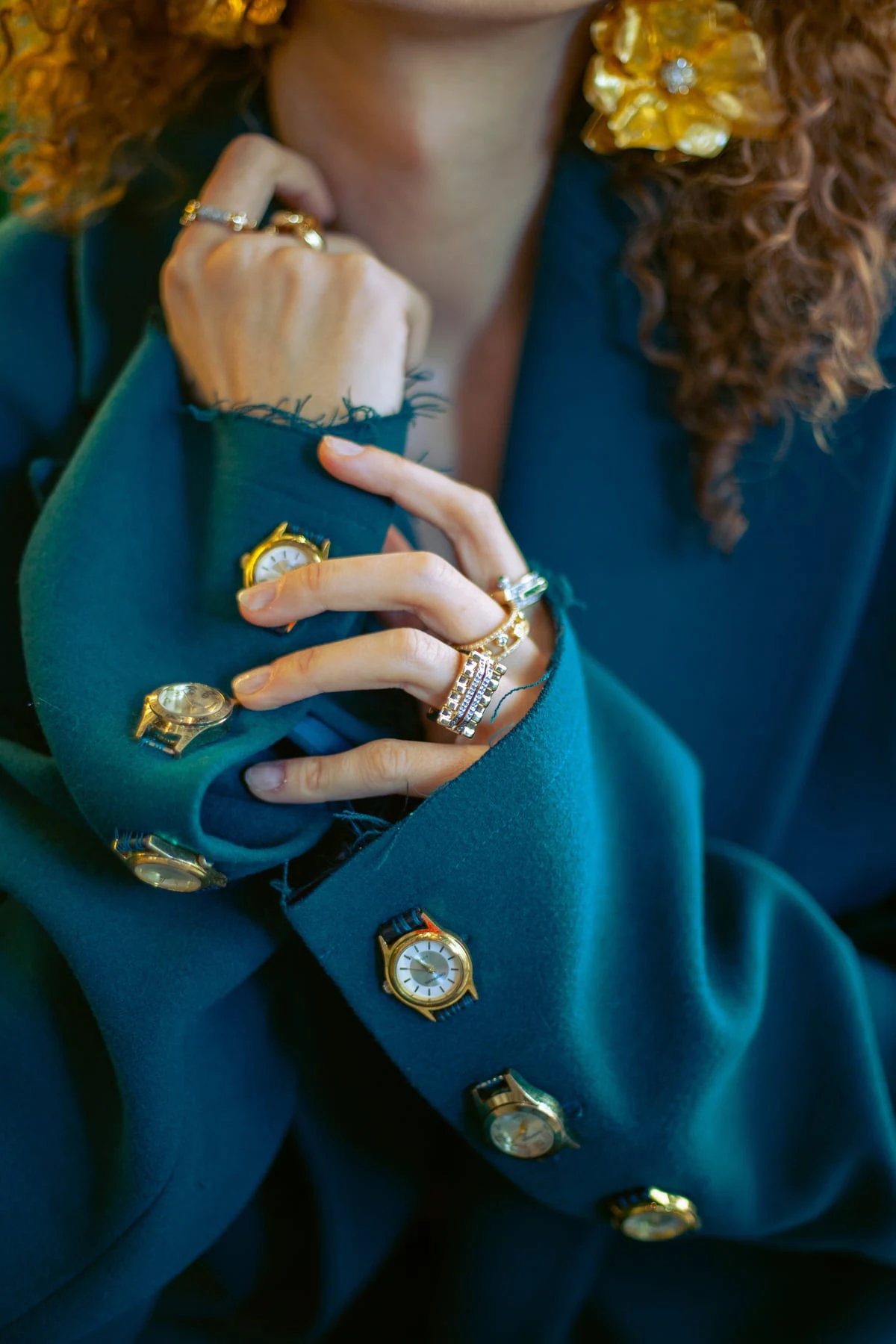
- Product photography with models — the product is shown worn or held by a model, making scale, fit and use clear. It can be done on white or in a lifestyle scene.
A white background answers "what is this product?"; lifestyle answers "what will it do for me?"
When is a white background the right choice?
- Marketplace and e-commerce product pages — platforms such as Trendyol, Hepsiburada and Amazon expect a white or plain background on the main image.
- When detail, colour and shape must be clear — customers want to inspect the product closely before they buy.
- When presenting a wide range consistently — the same light and framing across hundreds of products keeps the catalogue orderly.
- When the image will be reused in designs — a cut-out product drops easily into campaign and catalogue layouts.
For the technical side of white background shoots and marketplace rules, read Why White Background Product Photos Matter in E-Commerce.
When is lifestyle the right choice?
- Social media and advertising — thumb-stopping frames people can picture themselves in.
- When you want to convey the moment of use — the texture of a cream, a mug with morning coffee, a bag out in the city.
- When you want to show your brand's character — colour, setting and styling tell people who the brand is for.
- Website hero areas, banners and campaigns — places where you sell a way of life rather than the product alone.
Which image for which channel?
- Marketplace main image — white background.
- Additional product page images — white background angles and details, followed by one or two lifestyle frames.
- Instagram feed and Stories — mostly lifestyle; white background frames also work for product introductions.
- Meta ads — lifestyle frames and short vertical videos; clean white background images work well in catalogue ads.
- Website homepage and banners — lifestyle.
- Catalogues and proposals — white background.
What does a model add?
For items that are worn or held, such as clothing, jewellery, eyewear, bags and accessories, product photography with models is the clearest way to show size, fit and how the product is used. Customers can only really see how big an earring looks or how a dress falls when it is on a person, which narrows the gap between expectation and reality.
Recommendations by product type
- Cosmetics and personal care — packaging and texture detail on white; the moment of application and a bathroom or dressing-table scene in lifestyle.
- Food and drink — packaging on white; the served dish and a table scene in lifestyle.
- Home and living — shape and size on white; the product's place in a living space in lifestyle.
- Jewellery and accessories — macro detail on white; scale and wear in a model shoot.
- Clothing — the main image on white, as a flat lay or on a model; outfits and city scenes in lifestyle.
Planning both together
Combining white background and lifestyle shoots in one production, rather than planning them separately, saves both time and budget. In a typical plan the white background series for every product is completed first, then lifestyle scenes are set up for selected products. When the shot list is built around your channels from the start, every frame has a purpose and no channel is left short.
If you only have white background photos, AI lifestyle photography can place your product in different scenes quickly; compare the results with the real product to make sure colour and details are preserved.
Frequently asked questions
Can I sell on a marketplace with lifestyle photos only?
Most marketplaces expect a white or plain background on the main image. Using lifestyle frames as additional images after the main one is the safest approach.
Is a lifestyle shoot done in a studio or on location?
Both are possible. Depending on the product's story, we choose a set built in the studio or a real indoor or outdoor location.
Do lifestyle photos perform better in ads?
Because they convey how the product feels in use, they are a frequent choice for social media ads. Still, the most reliable answer comes from testing different images with your own audience.
At Vega, we plan white background and lifestyle product photography together in our studio in Şişli, Istanbul, and deliver images in marketplace, website and social media sizes. Get in touch to work out the right mix for your product.